Blog
Read our latest articles on essays, speeches, and communication.
Showing 1–12 of 34 results
How to End a Personal Statement: 7 Final-Line Techniques (With Examples)
Struggling with the last line of your personal statement? Learn seven techniques for ending a personal statement memorably, with examples for each, the endings admissions readers see too often, and a final-sentence test.
Read More →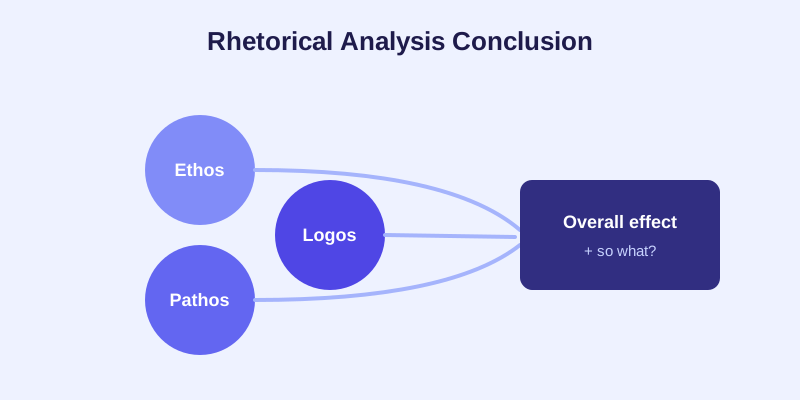
How to Write a Conclusion for a Rhetorical Analysis Essay (Step-by-Step + Example)
Learn how to write a rhetorical analysis conclusion that goes beyond summary. Follow a four-part structure, use sentence starters, see a full example, and get tips for AP Language timed essays.
Read More →
50 Entertainment Speech Topics (Plus Examples of a Speech to Entertain)
Find 50 entertaining speech topics for school, college, work, and events, sorted by category, plus a short example of a speech to entertain and tips for choosing the right topic for your audience.
Read More →
What Is an Entertainment Speech? How to Make One Your Audience Enjoys
Learn what an entertainment speech is, its types and purpose, and how to make one step by step: choosing a theme, building a structure, adding humor and stories, and delivering it well. Includes topic ideas and a sample outline.
Read More →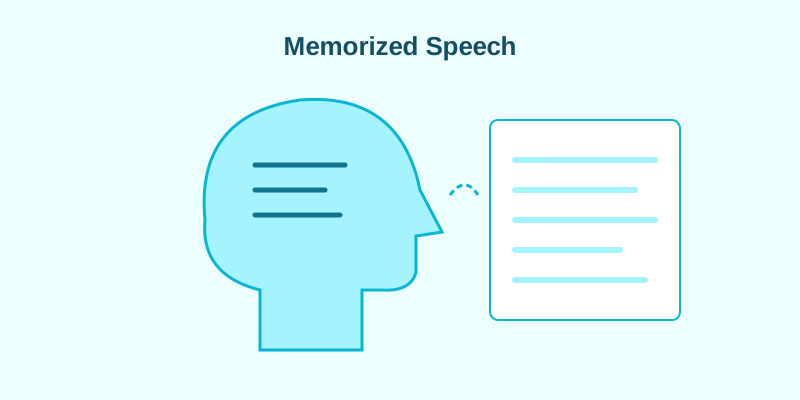
What Is a Memorized Speech? How to Memorize a Speech Without Sounding Robotic
Learn what a memorized speech is, when to use one, and seven proven techniques to memorize a speech quickly, from learning the structure first to chunking and the memory palace, plus what to do if you forget a line.
Read More →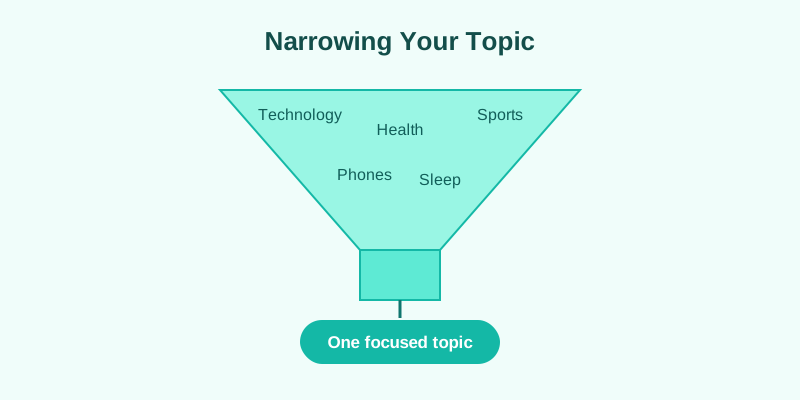
How to Narrow Down Speech Topics: 5 Methods to Go From Broad to Focused
Learn how to narrow down a speech topic using five practical methods: purpose and audience filters, the topic ladder, mind mapping, the 5 Ws, and the time test. Includes before-and-after examples and a worksheet.
Read More →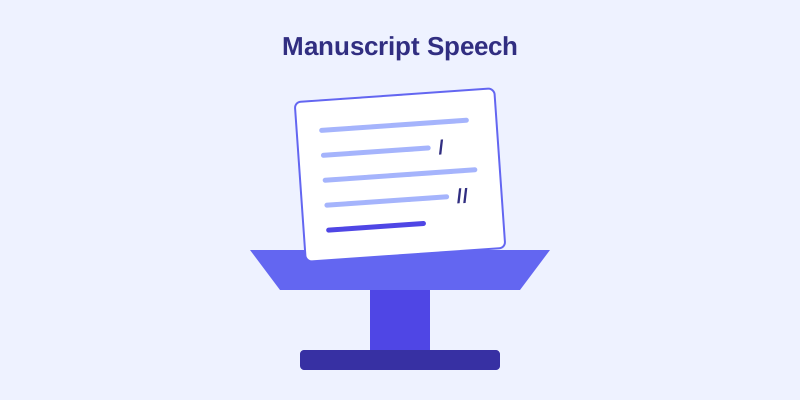
How to Write a Manuscript Speech That Doesn't Sound Read
Learn how to write and deliver a manuscript speech: when to use one, how to write a script for the ear, how to format and mark the pages, and how to practice so reading word for word still sounds natural.
Read More →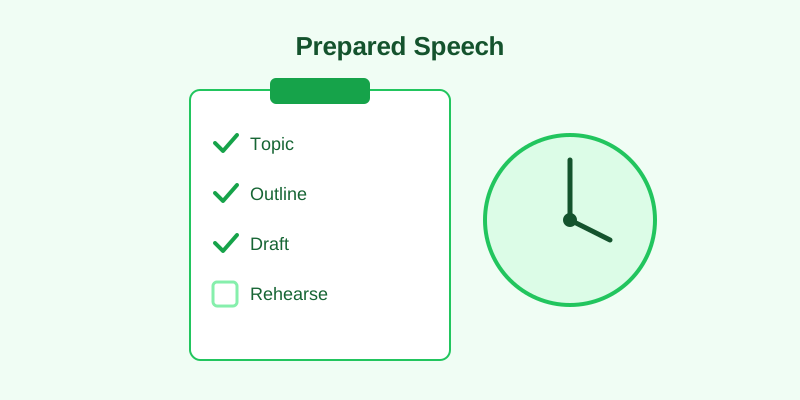
What Is a Prepared Speech? Types, Examples, and How to Prepare One
Learn what a prepared speech is, how it differs from an impromptu speech, the three types of prepared delivery (manuscript, memorized, and extemporaneous), and a step-by-step method to prepare your own.
Read More →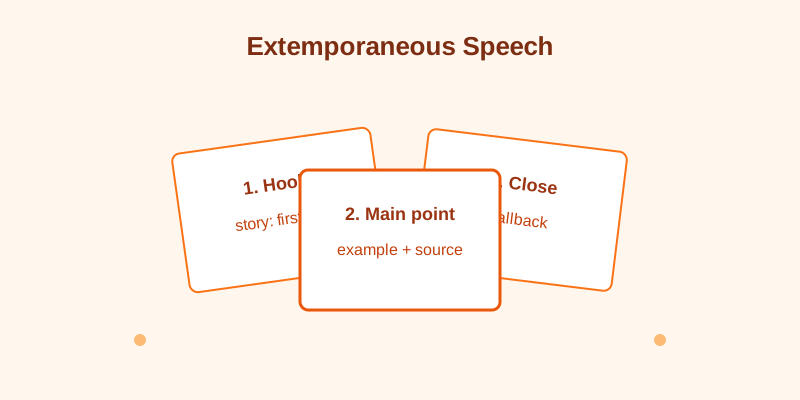
What Is an Extemporaneous Speech? How to Prepare and Deliver One From Notes
Learn what an extemporaneous speech is, how it differs from impromptu and manuscript speaking, and how to prepare one step by step: from a full outline to key-word speaking notes, with a sample note card and practice plan.
Read More →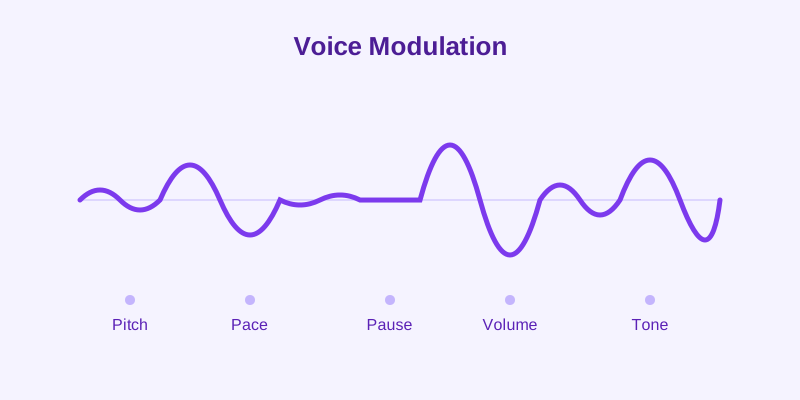
What Is Modulation in Speech? 5 Elements of Vocal Variety (With Exercises)
Learn what voice modulation in speech means, why it matters, and how to use its five elements: pitch, pace, volume, tone, and pauses. Includes marked examples and practice exercises to stop sounding monotone.
Read More →
How to Do a Literacy Essay: Write a Literacy Narrative Readers Connect With
A step-by-step guide to writing a literacy essay (literacy narrative): choosing a meaningful moment, structuring your story, reflecting on what it means, plus an original example and topic ideas.
Read More →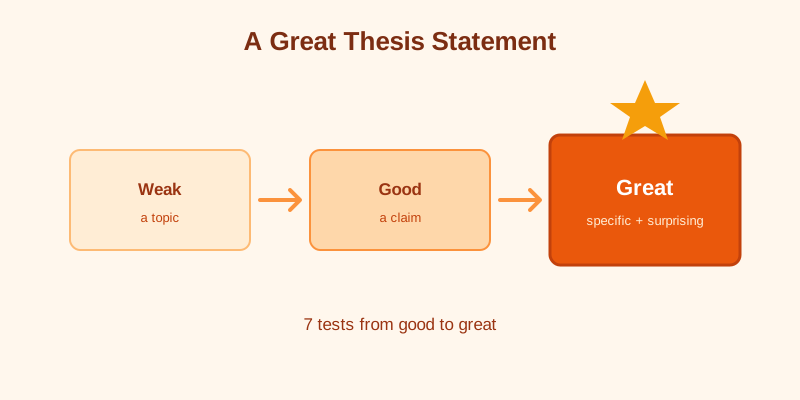
What Is a Great Thesis Statement? 7 Tests That Separate Good From Great
What makes a thesis statement great, not just correct? Use seven simple tests to evaluate and upgrade your thesis, with before-and-after examples showing how average claims become memorable ones.
Read More →